

How to Maintain Artificial Indoor/Outdoor Plants
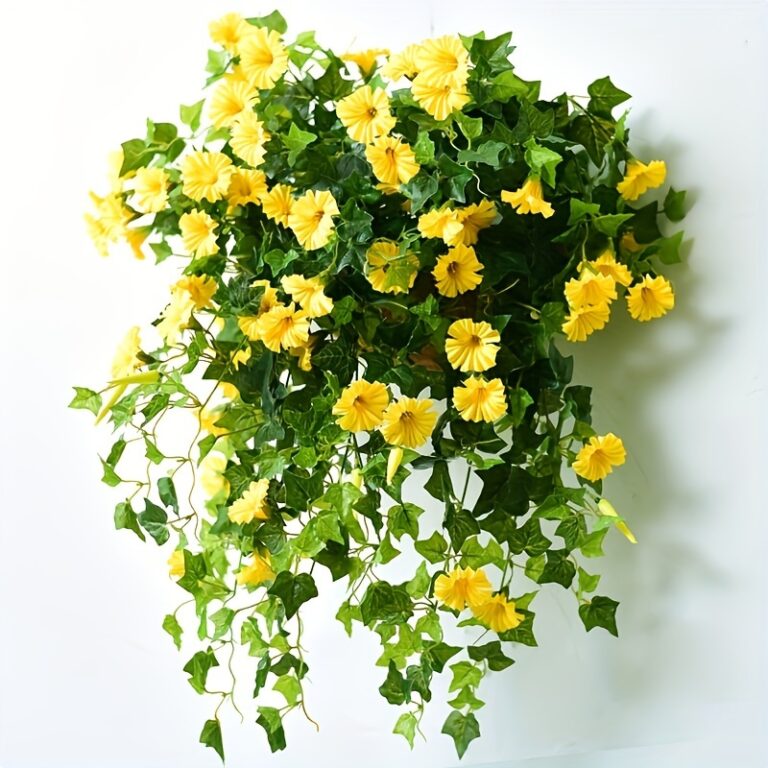
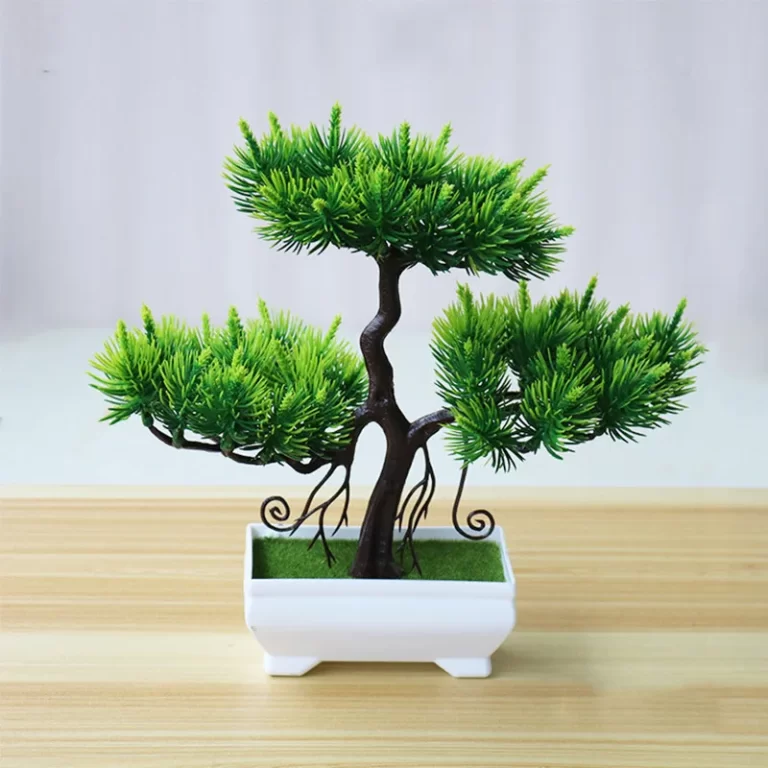
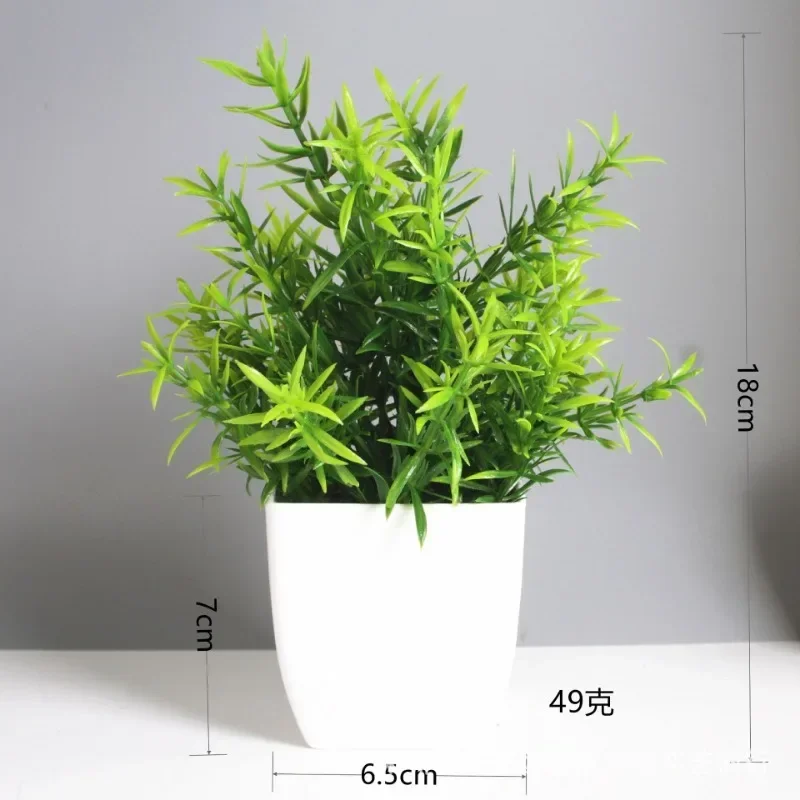
Artificial indoor/outdoor plants have become an increasingly popular choice for homeowners and businesses alike. They offer all the aesthetic appeal of real plants without the hassle of maintenance. Whether placed indoors or outdoors, these low-maintenance decor pieces provide beauty and charm to any environment.
However, while they don’t require water, sunlight, or fertiliser, artificial plants do need occasional care to keep them looking their best. Here’s a comprehensive guide on how to maintain artificial indoor and outdoor plants
Dusting Regularly: The Key to Freshness
One of the most important aspects of maintaining artificial plants is dusting them regularly. Dust can quickly accumulate on the leaves, making them look dull and lifeless. Depending on the type of plant and the environment it’s in, dusting should be done at least once a week or bi-weekly.
-
-
- Indoor Plants: For indoor artificial plants, use a soft microfiber cloth or a duster with a long handle to gently wipe away any dust. Start from the top of the plant and work your way down to ensure you don’t miss any spots. For delicate leaves or flowers, a soft brush (like a paintbrush) can help remove dust from smaller areas.
- Outdoor Plants: Outdoor plants, exposed to more dust, rain, and dirt, may need more frequent cleaning. A garden hose or gentle stream of water can help dislodge dirt and dust. For tough stains or stubborn dirt, a mild soapy solution with water can be used. Just be sure to rinse thoroughly to avoid any soap residue.
-
Avoid Direct Sunlight for Extended Periods
While artificial plants are made to withstand the elements to some extent, excessive exposure to direct sunlight can cause them to fade over time. UV rays can degrade the materials, leading to a loss of colour and a brittle, worn-out appearance.
-
-
- Indoor Plants: Place your artificial plants away from windows that receive direct sunlight for long periods. Instead, opt for spots with indirect light, which will help preserve the vibrancy of the plants.
- Outdoor Plants: For outdoor artificial plants, look for products labelled as UV-resistant. These plants are designed to endure sun exposure without fading. Still, try to position your plants in areas with partial sunlight or shaded spots to prolong their lifespan.
-
Cleaning Artificial Plants with Soapy Water
For a deeper clean, especially if your plants are quite dusty or dirty, a mild soapy solution can do wonders. This method helps maintain the plant’s shine and keeps it looking like new.
-
-
- Indoor Plants: Mix warm water with a few drops of dish soap. Soak a soft cloth in the soapy water, wring it out, and gently wipe the leaves and stems. Be careful not to get the fabric too wet, as you don’t want excess water to seep into the plant’s structure. After cleaning, use a dry cloth to wipe off any residual moisture and prevent watermarks.
- Outdoor Plants: For artificial plants kept outdoors, the soapy water method works well. You can take the plants outside and rinse them under a gentle spray of water, followed by a light scrub with a soapy cloth or sponge. Afterwards, rinse thoroughly with plain water to remove any soap residue.
-
Storing Artificial Plants During Off-Season
Artificial plants are great for creating ambience, but during certain seasons (like winter), it might be a good idea to store them to preserve their appearance and prevent damage from harsh weather conditions.
-
-
- Indoor Plants: If you have artificial plants in areas like patios or balconies where the temperatures fluctuate dramatically, it’s a good idea to bring them inside during extreme weather. Store them in a cool, dry place such as a closet or storage room, and avoid placing them in areas with high humidity like basements or attics.
- Outdoor Plants: Outdoor artificial plants that can’t be moved indoors should be cleaned and properly stored in a shed or garage during the off-season. If you plan on keeping them outside, consider using weather-resistant plant covers to protect them from rain, snow, or frost.
-
Repairing and Replacing Damaged Parts
Sometimes, artificial plants can suffer wear and tear due to accidents or just age. A leaf might fall off, or a flower might get crushed. Thankfully, many artificial plants are designed for easy repair.
-
-
- Repairing Leaves or Flowers: If a leaf or flower has become detached, check to see if it can be reattached using hot glue or craft glue. Some plants even come with replacement parts that can be swapped out.
- Stems and Branches: For plants with bendable stems, you can usually reshape or bend them back into place if they’ve been damaged. For sturdier stems, you may need to glue or tape them back together or replace individual sections.
-
Preventing Fading with UV Protection
If your artificial plants are placed outdoors, UV rays can slowly degrade their colour, causing them to fade. This is particularly common for bright colours like reds, oranges, and yellows. To combat this:
-
-
- Choose UV-Resistant Plants: Look for plants specifically made with UV-protective materials. These plants are designed to resist fading, ensuring they stay vibrant for longer.
- Apply UV Protection Spray: There are UV protectant sprays available that you can apply to your artificial plants. These sprays create a protective layer on the plant, preventing the material from breaking down under the sun’s rays.
-
Sprucing Up the Look: Adding Faux Soil or Rocks
To make your artificial plants look even more realistic, consider adding faux soil or decorative rocks to the base of the pot. Over time, these materials might get a little dusty or dirty. Simply rinse them under water or replace them with fresh material if needed.
Storage and Display Tips
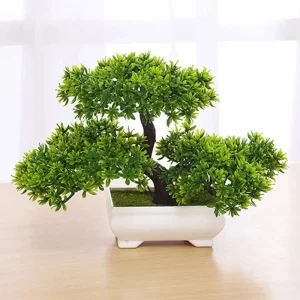
When displaying artificial plants, try using quality pots and containers that complement the plants. Whether you opt for modern, rustic, or minimalist designs, a well-chosen pot can elevate the overall look. Ensure the pot has drainage holes to avoid trapping moisture around the base of the plant. While artificial plants don’t need drainage, the pot’s design can help maintain a cleaner, more realistic look.
Conclusion to Maintain Artificial Indoor/Outdoor Plants
Maintaining artificial plants is relatively simple compared to caring for real plants, but it still requires some attention to detail. Regular dusting, cleaning, and proper storage can go a long way in preserving their beauty and prolonging their lifespan. By following these simple tips, you can enjoy the charm of artificial indoor and outdoor plants year-round, without the worry of wilting or drooping!