




Deep Water Culture Hydroponic System: A Complete Guide for Modern Growers
Contents
- 1 Deep Water Culture Hydroponic System: A Complete Guide for Modern Growers
- 1.1 What Is a Deep Water Culture Hydroponic System?
- 1.2 How the Deep Water Culture System Works
- 1.3 Benefits of Deep Water Culture Systems
- 1.4 Challenges of Deep Water Culture Systems
- 1.5 How to Set Up a Deep Water Culture System
- 1.6 Best Plants to Grow in Deep Water Culture Systems
- 1.7 Tips for Successful DWC Gardening
- 1.8 Why Choose Deep Water Culture?
- 1.9 How to Set Up a Small Hydroponic Kit at Home
- 1.10 Understanding the DWC Floating System
- 1.11 Deep Water Culture Hydroponic Systems (DWC):
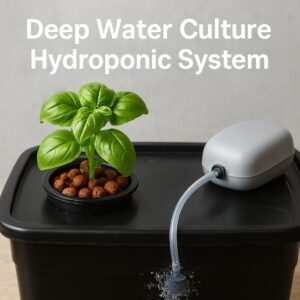 As the world shifts towards more sustainable and space-efficient methods of food production, hydroponics has become increasingly popular. One of the simplest and most efficient hydroponic techniques is the Deep Water Culture (DWC) system. This method allows plants to thrive without soil, growing directly in a nutrient-rich, oxygenated water solution.
Whether you’re a home gardener wanting to grow herbs and leafy greens or a commercial grower aiming for higher yields, Deep Water Culture offers a reliable, low-maintenance, and productive solution. In this article, we’ll explore how DWC systems work, their benefits and challenges, and how you can set up your own system easily.
What Is a Deep Water Culture Hydroponic System?
The Deep Water Culture Hydroponic System is a method where plant roots are suspended in a nutrient-enriched water solution that’s constantly aerated with oxygen. The plants receive everything they need — water, oxygen, and nutrients — directly through their roots, leading to faster growth and healthier plants compared to traditional soil gardening.
In essence, the DWC system eliminates soil and allows plants to focus entirely on nutrient absorption. It’s a favourite among beginners because it’s simple, cost-effective, and easy to maintain.
How the Deep Water Culture System Works
A basic Deep Water Culture system consists of the following key components:
-
-
- Reservoir or Container:
This is where the nutrient solution (water mixed with fertiliser) is stored. It serves as the plant’s main growing environment. - Net Pots and Growing Medium:
Plants are placed in net pots, which hold a growing medium such as clay pebbles, perlite, or rockwool. The pots are positioned so that the roots dangle into the water. - Air Pump and Air Stone:
These are crucial for oxygenating the nutrient solution. The air pump pushes air through the air stone, which releases small bubbles, ensuring the roots receive enough oxygen to prevent rot. - Nutrient Solution:
This is a balanced mix of water and essential minerals that plants need for growth. The solution typically includes nitrogen, phosphorus, potassium, calcium, and magnesium.
- Reservoir or Container:
-
The result? A perfectly balanced environment where plants grow quickly, absorb nutrients efficiently, and produce impressive yields year-round.
Benefits of Deep Water Culture Systems
The DWC method has gained popularity because it delivers a wide range of advantages for both home and commercial growers.
- Rapid Plant Growth
Because plant roots have constant access to oxygen, water, and nutrients, they grow faster than they would in soil. Plants in DWC can grow up to 50% faster than those grown traditionally.
- Low Maintenance
Once your DWC system is set up, maintenance is minimal. There’s no soil to till, no weeding, and fewer pests. You only need to monitor pH and nutrient levels regularly.
- Cost-Effective Setup
Building a DWC system doesn’t require expensive equipment. Many growers use simple materials like buckets, plastic tubs, or storage bins to create a reliable setup.
- Cleaner and Healthier Growing
No soil means fewer pests, diseases, and contaminants. It also eliminates the mess associated with traditional gardening.
- Space-Efficient
DWC systems can be built vertically or in compact spaces, making them ideal for apartments, balconies, or small indoor growing rooms.
Challenges of Deep Water Culture Systems
While DWC systems offer numerous benefits, they also have a few potential drawbacks to consider:
-
-
- Temperature Sensitivity:
The nutrient solution should be kept between 18°C and 24°C. If the water gets too warm, it can lead to root rot or bacterial growth. - Power Dependence:
The air pump must run continuously. A power outage could quickly deplete oxygen levels, harming the plants. - Nutrient and pH Monitoring:
Because the roots are in direct contact with water, pH or nutrient imbalances can have immediate effects. Regular checks are essential.
- Temperature Sensitivity:
-
Despite these challenges, DWC remains one of the easiest hydroponic systems to manage once you understand the basics.
How to Set Up a Deep Water Culture System
Setting up a DWC system at home is straightforward. Here’s a step-by-step guide:
Step 1: Choose Your Container
Select a bucket or tub deep enough to allow plant roots to hang freely. Dark containers are best because they prevent algae growth by blocking light.
Step 2: Install Net Pots
Cut holes in the lid to fit the net pots. Ensure each pot is securely placed so the plant sits comfortably on top, with roots dangling into the water.
Step 3: Add the Air Pump and Air Stone
Connect your air pump to the air stone using tubing. Place the air stone at the bottom of the container to distribute bubbles evenly.
Step 4: Mix the Nutrient Solution
Fill the container with water and mix in a hydroponic nutrient solution according to the manufacturer’s instructions. Check and adjust the pH to around 5.8–6.2.
Step 5: Add Your Plants
Place your plants (or seedlings) in the net pots. The bottom of the roots should just touch the surface of the nutrient solution.
Step 6: Monitor and Maintain
Keep an eye on nutrient levels, pH, and water temperature. Replenish and replace the solution every two to three weeks.
Best Plants to Grow in Deep Water Culture Systems
DWC systems are best suited for lightweight, fast-growing plants with simple root structures. Some of the most popular choices include:
-
-
- Lettuce
- Spinach
- Basil
- Parsley
- Kale
- Strawberries
- Swiss chard
-
While you can grow larger fruiting plants like tomatoes and peppers, they may require additional support to prevent the plant from toppling over.
Tips for Successful DWC Gardening
-
-
- Keep the Water Cool: Aim for 18°C–22°C to promote healthy root growth.
- Monitor Oxygen Levels: Ensure your air pump runs 24/7.
- Use Quality Nutrients: Choose hydroponic-specific nutrient solutions for the best results.
- Clean Regularly: Rinse your reservoir and air stones every few weeks to prevent buildup.
- Light Exposure: Ensure your plants receive 12–16 hours of light daily using LED grow lights if indoors.
-
Why Choose Deep Water Culture?
Deep Water Culture is one of the most beginner-friendly hydroponic systems available. It’s efficient, affordable, and highly productive. With just a few tools and a little maintenance, you can enjoy fresh, home-grown produce year-round, even in limited spaces.
Whether you’re growing for fun, food, or profit, DWC offers a powerful introduction to hydroponic gardening, one that’s easy to master and delivers incredible results.
Pingback: How to Set Up a Small Hydroponic Kit at Home - Laa Dee Daa
Pingback: Deep Water Culture Hydroponic Systems (DWC): - Laa Dee Daa