




Hydroponic Medium: A Complete Guide to Growing Without Soil
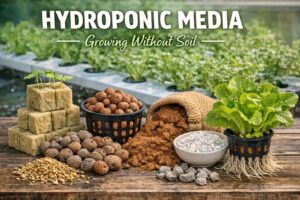 Hydroponics has revolutionised the way we grow plants by removing soil from the equation and replacing it with nutrient-rich water. However, most hydroponic systems still rely on something known as a hydroponic medium. This medium plays a critical role in plant health, stability, and nutrient uptake. Whether you are a home grower, a commercial producer, or simply curious about soilless gardening, understanding hydroponic media is essential for success.
This article explores what a hydroponic medium is, why it is important, the different types available, and how to choose the best option for your growing setup.
What Is a Hydroponic Medium?
A hydroponic medium, also called a growing medium or substrate, is a material used to support plant roots in a hydroponic system. Unlike soil, it does not provide nutrients. Instead, nutrients are delivered directly through water. The medium’s primary job is to anchor the plant, retain moisture, allow oxygen to reach the roots, and facilitate proper root development.
An ideal hydroponic medium is inert, meaning it does not react chemically with nutrient solutions or alter pH levels. This allows growers to maintain precise control over plant nutrition.
Why Hydroponic Media Are Important
Even though hydroponics can technically work without a medium in some systems, most growers rely on one for practical reasons. A good hydroponic medium provides:
-
-
- Root support: Keeps plants upright and stable
- Oxygenation: Prevents root suffocation and promotes healthy growth
- Moisture retention: Holds water while avoiding waterlogging
- Drainage: Allows excess nutrient solution to flow freely
- Consistency: Ensures uniform growth across plants
-
Without a proper medium, plants may suffer from stress, poor nutrient uptake, or root rot.
Key Characteristics of a Good Hydroponic Medium
When choosing a hydroponic medium, several factors should be considered:
-
-
- Porosity – Determines airflow and oxygen availability
- Water retention – Affects how often plants need watering
- pH neutrality – Helps maintain nutrient balance
- Reusability – Impacts long-term costs and sustainability
- Sterility – Reduces the risk of pests and disease
-
Balancing these characteristics ensures optimal root health and plant performance.
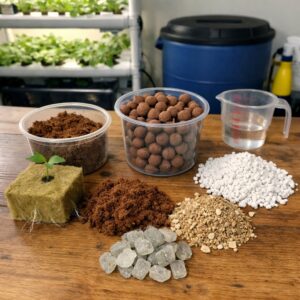
Types of Hydroponic Media
There is no one-size-fits-all solution when it comes to hydroponic media. Different plants and systems benefit from different substrates.
Rockwool
Rockwool is one of the most popular hydroponic media. Made from molten basalt spun into fibres, it offers excellent water retention and aeration. It is commonly used for seedlings and commercial operations.
Pros:
-
-
- Excellent moisture control
- Uniform structure
- Ideal for propagation
-
Cons:
-
-
- Not biodegradable
- Requires pH conditioning before use
-
Clay Pebbles (Expanded Clay)
Clay pebbles are lightweight, reusable balls made from expanded clay. They are widely used in ebb-and-flow and drip systems.
Pros:
-
-
- Excellent drainage
- Reusable and durable
- Low maintenance
-
Cons:
-
-
- Poor water retention
- Requires frequent irrigation
-
Coco Coir
Derived from coconut husks, coco coir is a sustainable and versatile hydroponic medium. It behaves similarly to soil but remains inert when properly treated.
Pros:
-
-
- Renewable and eco-friendly
- Great balance of air and water
- Encourages strong root growth
-
Cons:
-
-
- Must be buffered before use
- Can retain excess salts if untreated
-
Perlite
Perlite is a volcanic glass that expands when heated. It is lightweight and highly porous, often mixed with other media.
Pros:
-
-
- Excellent aeration
- Sterile and lightweight
- Improves drainage
-
Cons:
-
-
- Low water retention
- Can float in some systems
-
Vermiculite
Vermiculite holds large amounts of water and nutrients, making it useful for seedlings and moisture-loving plants.
Pros:
-
-
- High water retention
- Good nutrient-holding capacity
-
Cons:
-
-
- Poor drainage when used alone
- Compacts over time
-
Grow Stones and Alternative Media
Grow stones, made from recycled glass and other synthetic substrates, are gaining popularity for their sustainability and performance. These options often mimic clay pebbles but with a smaller environmental footprint.
Choosing the Right Hydroponic Medium
Selecting the best hydroponic medium depends on several factors:
-
-
- Plant type: Leafy greens, fruiting plants, and herbs have different root needs
- System design: NFT, drip, deep water culture, and ebb-and-flow systems all behave differently
- Watering frequency: Some media require constant irrigation, others do not
- Budget and sustainability goals: Reusable or biodegradable options may be preferred
-
For beginners, coco coir or clay pebbles are often the easiest to manage. Commercial growers may prefer rockwool for its consistency and scalability.
Best Practices for Using Hydroponic Media
To get the most out of your hydroponic medium:
-
-
- Rinse and sterilise reusable media between grows
- Monitor pH and EC levels regularly
- Avoid overwatering, especially with high-retention media
- Replace or refresh media when it degrades
- Match the medium to your system and crop
-
Proper handling ensures healthy roots and maximised yields.
Conclusion
 A hydroponic medium may not provide nutrients, but it plays a vital role in every successful hydroponic system. By supporting roots, regulating moisture, and promoting oxygen flow, the right medium can dramatically improve plant health and productivity.
Understanding the characteristics of different hydroponic media allows growers to tailor their setup for efficiency, sustainability, and high performance. Whether you are growing herbs on a kitchen bench or running a commercial greenhouse, choosing the right hydroponic medium is a foundational step toward thriving, soil-free gardening.